


Whether you’re new to hypnotherapy or looking to deepen your understanding of the process, it's helpful to know how a typical session is structured. Hypnotherapy is a powerful tool that can assist with personal growth, healing, and change. To make the most of each session, it's important to follow a clear structure that is tailored to the client’s unique needs and goals.
The Pre-Talk: Understanding the Client’s Goals
The first step in any hypnotherapy session is the pre-talk. This conversation is crucial because it helps you and your client clarify what they hope to achieve. Whether it’s overcoming anxiety, managing pain, or improving self-confidence, the pre-talk sets the foundation for the session. You’ll ask questions to understand their motivations, challenges, and desired outcomes. This dialogue also helps to build rapport, ensuring the client feels comfortable and confident in the process ahead.
Explaining Hypnosis: What It Is and What to Expect
Many clients come into hypnotherapy with misconceptions about what hypnosis is. During the pre-talk, it’s essential to provide an explanation of hypnosis—a natural, deeply relaxed state of focused awareness. Clarify that hypnosis is not about losing control; rather, it’s about gaining access to the subconscious mind, where powerful change can occur. Explain that the client will be fully aware and in control throughout the session and that hypnosis is a collaborative process. This helps ease any anxieties they may have and sets realistic expectations for what’s to come.
The Induction: Entering a Relaxed State
Once the client is comfortable and understands what to expect, the session moves into the induction phase. This is where you guide them into a state of deep relaxation. There are several techniques you can use, such as progressive muscle relaxation or guided breathing exercises. The induction process is key to helping the client transition from everyday consciousness into the hypnotic state. A calm, focused environment is essential here, as it helps the client relax and engage more deeply.
Deepening the Hypnotic State
After the induction, it’s time to deepen the client's hypnotic state. The deepener phase helps take them further into relaxation, allowing access to deeper parts of the subconscious. You might use visual imagery, counting techniques, or deep breathing to enhance the trance state. The deeper the client goes, the more receptive they become to the positive suggestions you’ll be offering later in the session.
Suggestion Phase: Tailoring to Client’s Goals
The suggestion phase is the heart of the hypnotherapy session. Here, you'll introduce positive suggestions tailored to the client’s specific goals, as discussed during the pre-talk. For example, if the client is aiming to reduce anxiety, you might suggest feelings of calm and control in situations that previously triggered stress. If they’re looking to improve self-confidence, you can plant suggestions about feeling empowered and capable in future endeavors. The key here is to ensure the suggestions align with their conscious desires and subconscious needs.
Using Metaphors (When Appropriate)
Sometimes, metaphors can be a powerful way to communicate ideas to the subconscious mind. For example, if a client is struggling to overcome an obstacle, you might use the metaphor of climbing a mountain or crossing a bridge. Metaphors tap into the brain's natural ability to process imagery and can make the suggestions more vivid and relatable. However, it’s important to ensure that the metaphors are appropriate and meaningful for the client.
Future Pacing: Preparing for Success
Once the suggestions have been given, it’s important to future pace. This involves guiding the client to imagine themselves in future situations, successfully applying the changes and benefits from the session. By mentally rehearsing their new responses or behaviors, clients build confidence and reinforce the changes made during hypnosis. This step bridges the gap between the hypnotic state and everyday life, helping clients envision a successful outcome.
Awakening: Returning to Full Awareness
The final phase of the session is the awakening. Here, you'll guide the client back to full awareness, usually through a gradual counting process or reverse imagery. Ensure they feel grounded, alert, and refreshed before the session concludes. Take a moment to review the experience, discuss how they’re feeling, and ensure they’re ready to move forward with the new insights and changes they’ve gained.
Conclusion
A well-structured hypnotherapy session combines trust, clarity, and a step-by-step approach to guide the client through the process of change. From the initial pre-talk to the final awakening, each stage plays a vital role in helping the client achieve their goals. By tailoring your approach to their specific needs, you create a personalized experience that maximizes the potential for positive transformation.
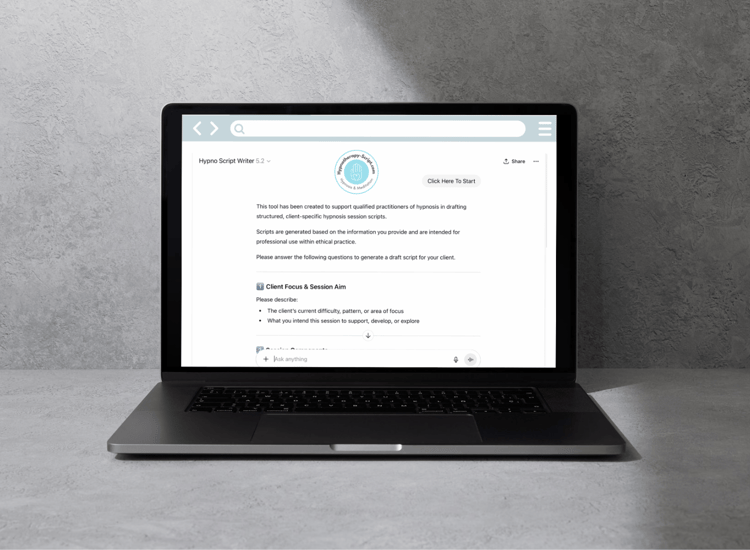
At Hypnotherapy-Script.com we have combined experience of over 50 years working with clients. Our extensive library of Hypnotherapy Scripts and Techniques will guide you to getting the most out of your sessions and feel confident in delivering results for your clients



















Comments ()